Certain works transcend opera and become part of the broader cultural bloodstream, recognizable even to people who have never stepped inside an opera house. Mozart’s The Magic Flute belongs firmly in that category — its melodies, imagery, and larger-than-life characters having echoed through popular culture for generations. Now, LA Opera brings the beloved masterpiece back to the Dorothy Chandler Pavilion from May 30th through June 21st in a production that also carries major institutional significance: it will serve as James Conlon’s final engagement as the company’s music director after two decades shaping the sound and artistic identity of LA Opera.
The return of this iconic work arrives by way of considerable demand following the opera’s last staging at the Pavilion in 2019. It also coincides with a renewed Southern California fascination with Mozart more broadly. Pasadena Playhouse’s recent production of Amadeus became one of the theater’s largest box-office successes in years, while the Hollywood Bowl is set to present a concert screening of Miloš Forman’s Oscar-winning 1985 film adaptation later this year. More than two centuries after his death, Mozart remains remarkably embedded in contemporary culture — and The Magic Flute may be the clearest example of why.
Premiering in Vienna in 1791, just months before Mozart’s death at age 35, The Magic Flute emerged during an especially turbulent and prolific period in the composer’s life. Written in German rather than Italian and blending fairy tale spectacle with Enlightenment philosophy, romance, comedy, and mysticism, the opera initially divided some aristocratic audiences while proving enormously popular with the general public. Over time, it became one of the most performed operas in the world.

The story follows Prince Tamino, who embarks on a perilous journey with the bird-catcher Papageno to rescue Pamina, daughter of the formidable Queen of the Night. Along the way, shifting allegiances and revelations complicate what initially appears to be a straightforward battle between good and evil. The opera’s famous score includes some of Mozart’s most recognizable compositions, from Papageno’s buoyant comic numbers to the Queen of the Night’s astonishing coloratura arias.
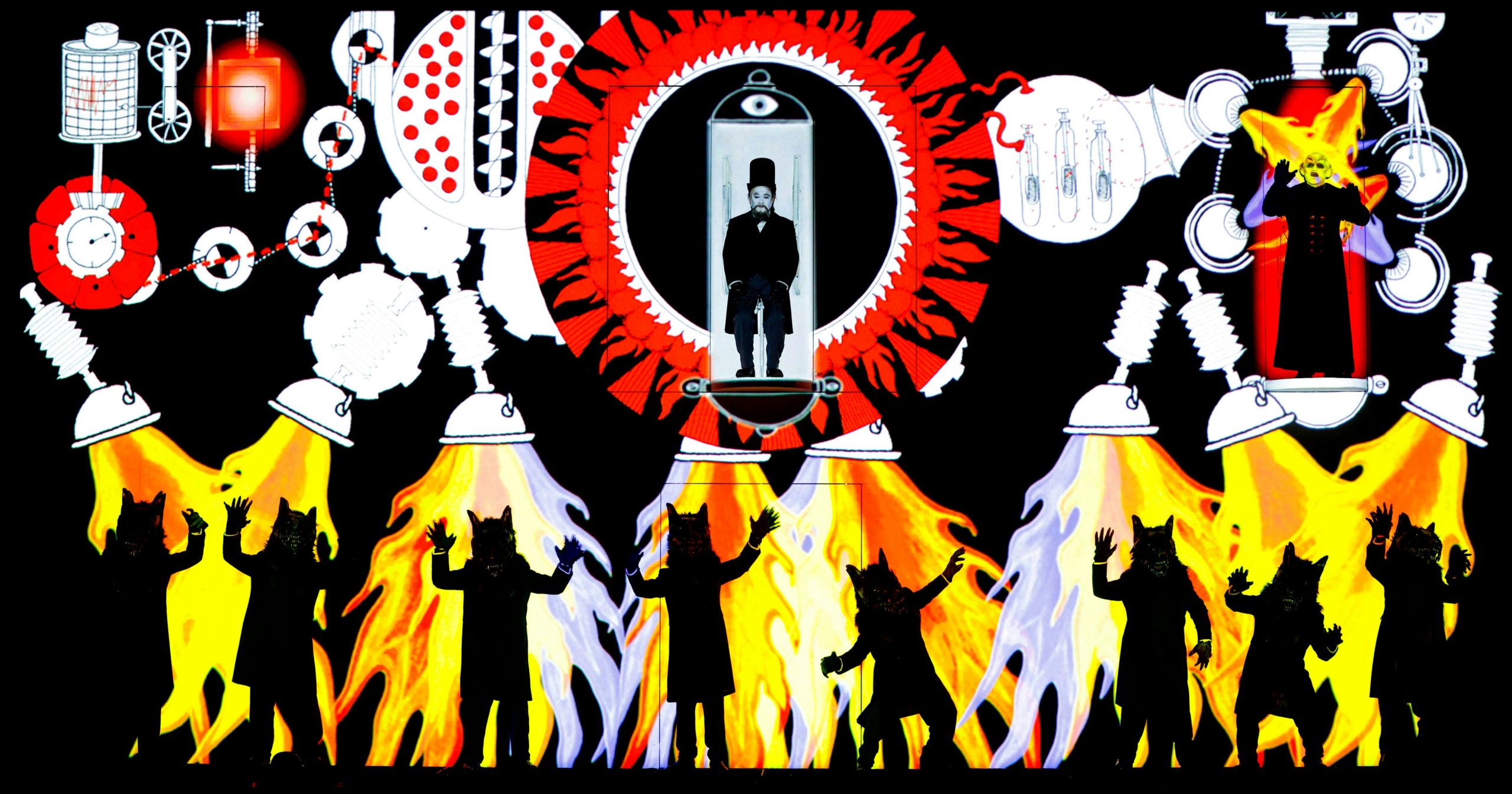
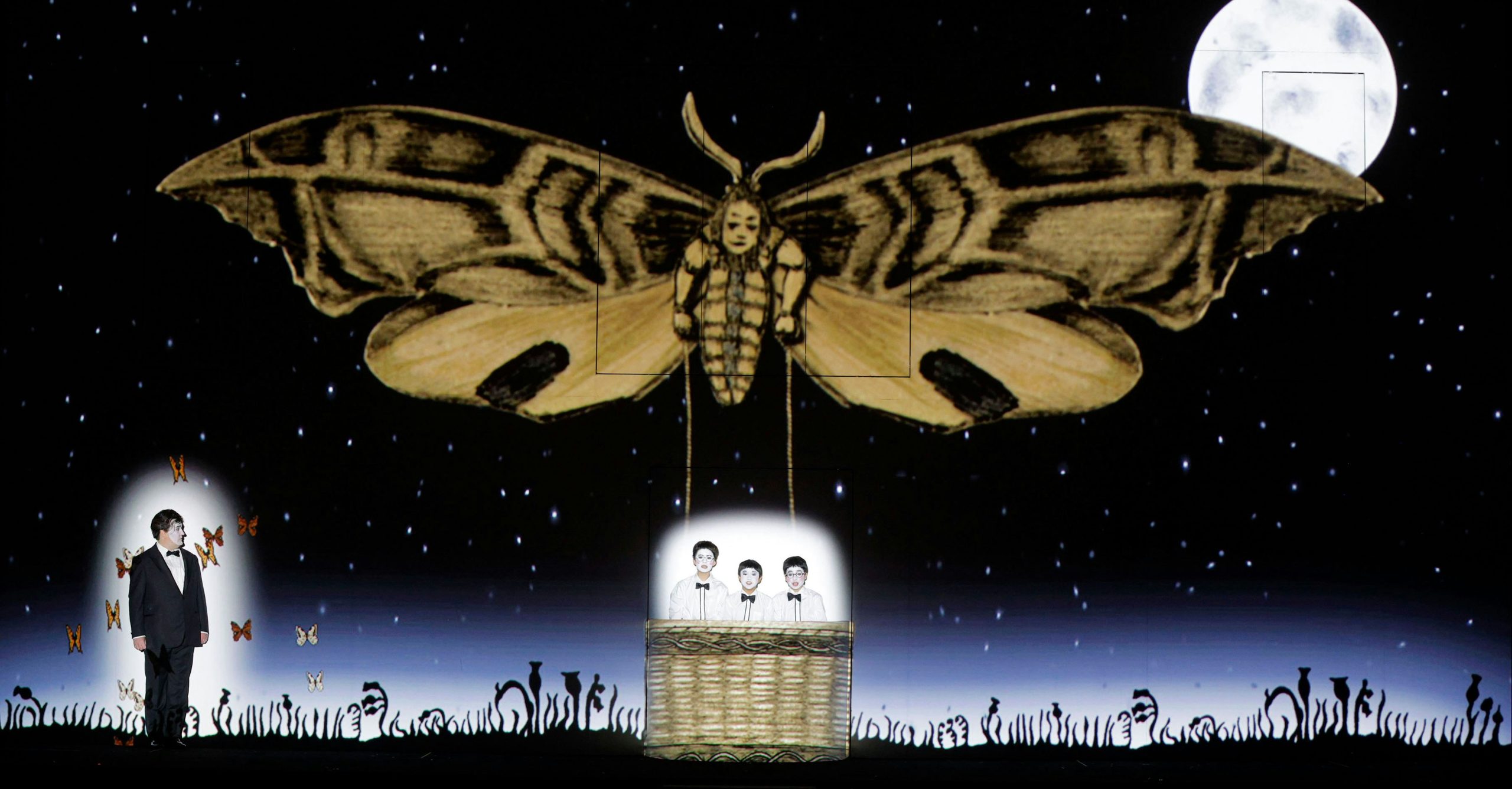
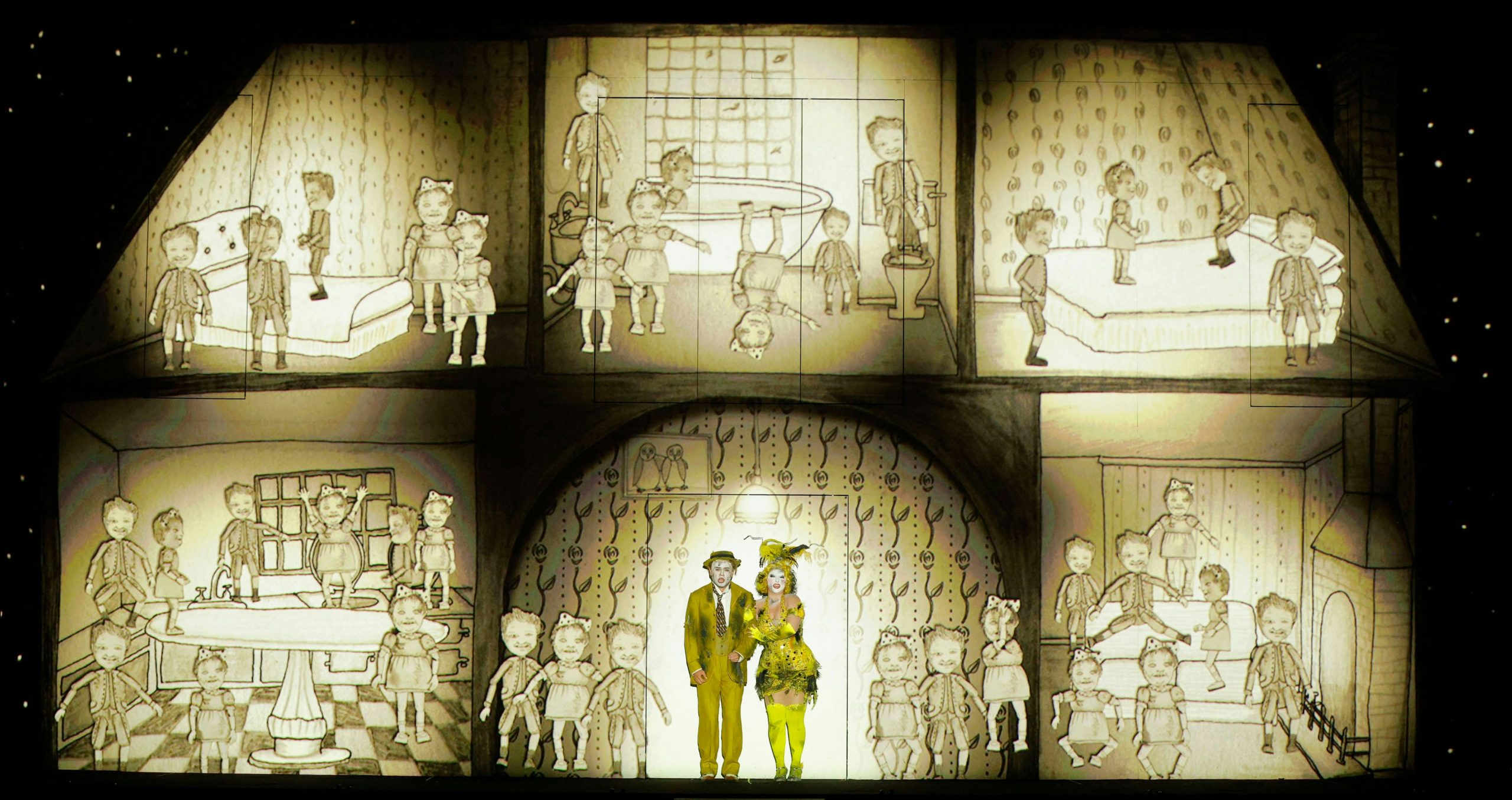
This revival reunites Conlon with director Barrie Kosky and the acclaimed production first created for Komische Oper Berlin, which fuses live performance with silent-film-inspired animation and projection work by the British theater collective 1927. (Suzanne Andrade is credited as co-director and Erik Friedman is the revival director predominantly involved with this latest installment.) The result, in large part shaped by scenic and costume designer Esther Bialas, is a visually inventive staging that treats The Magic Flute less as museum piece than living fantasy.

The cast, among a talented ensemble, includes Finnish-American tenor Miles Mykkanen as Tamino, soprano Sydney Mancasola as Pamina, baritone Kyle Miller as Papageno, and soprano Aigul Khismatullina who makes her LA Opera debut as the renowned Queen of the Night. Bass Kwangchul Youn appears as Sarastro, with Zhengyi Bai inhabiting the scheming Monostatos. Together, the operatic virtuosos anchor a production balancing comedy, romance, philosophical inquiry, and spectacle in equal measure.

In the bigger picture, and particularly for local audiences, The Magic Flute represents more than just the return of a beloved classic, but rather the well-deserved LA Opera exit into the sunset for Conlon who has consistently succeeded in capturing an inestimable magic in his productions, making multitudes of opera fans along the way. With the music director baton being passed to Domingo Hindoyan, there is much to be excited about in the years ahead.
Cover image caption: Aigul Khismatullina as the Queen of the Night and Sydney Mancasola as Pamina in LA Opera’s 2026 production of The Magic Flute. Photo is by Cory Weaver.
For tickets and further information about LA Opera’s 2026 production of The Magic Flute, visit laopera.org.

